

The word talkative describes someone who speaks frequently, enjoys conversation, or tends to share many thoughts and opinions. While it is a common and useful word, it is not always the best choice. Depending on the situation, talkative can sound positive, neutral, or slightly critical.
That is why many writers, students, professionals, and English learners look for alternative ways to express the same idea.
Choosing the right synonym depends on context and tone. A teacher describing an engaged student may use different wording than a manager writing a performance review or a friend describing a social personality.
This guide explores the best synonyms for talkative, explains subtle differences in meaning, and shows how to use each option naturally in real-life situations.
Quick Answer
Some of the most useful synonyms for talkative include chatty, conversational, communicative, sociable, loquacious, garrulous, outspoken, expressive, friendly, and verbose. The best choice depends on tone, context, and whether you want to emphasize friendliness, communication skills, or excessive talking.
Quick List — Fast Reader Section
Closest Alternatives
- Chatty
- Conversational
- Communicative
- Loquacious
- Garrulous
- Verbose
- Voluble
- Expressive
Formal Alternatives
- Articulate
- Communicative
- Loquacious
- Voluble
- Eloquent
- Expressive
- Outspoken
- Discursive
- Fluent
- Verbal
Neutral Alternatives
- Sociable
- Friendly
- Engaging
- Interactive
- Conversational
- Open
- Responsive
- Personable
Casual Alternatives
- Chatty
- Chatterbox
- Motor-mouth
- Gabby
- Blabby
- Yappy
- Talky
Contextual Alternatives
- Outgoing
- Social
- Extroverted
- Opinionated
- Vocal
- Animated
- Enthusiastic
- Storytelling
Formal Alternatives
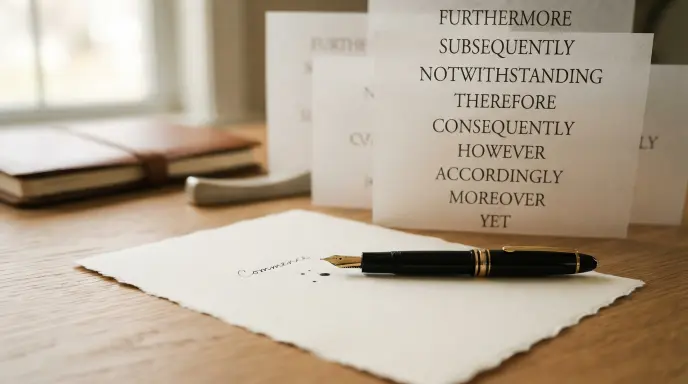
Communicative
Meaning: Willing and able to share information effectively.
Explanation: This is one of the most professional alternatives to talkative. It focuses on communication rather than quantity of speech.
Example: She is highly communicative during team meetings.
Best Use: Workplace communication and professional writing.
Worst Use: Describing someone who talks excessively.
Tone: Professional and positive.
Articulate
Meaning: Able to express ideas clearly.
Explanation: Unlike talkative, it emphasizes clarity rather than frequency.
Example: The candidate was articulate during the interview.
Best Use: Academic and professional settings.
Worst Use: Situations where the person simply talks a lot.
Tone: Respectful and professional.
Loquacious
Meaning: Tending to talk a great deal.
Explanation: A formal dictionary synonym of talkative.
Example: The speaker was loquacious and energetic.
Best Use: Formal writing and literature.
Worst Use: Casual conversations.
Tone: Formal and descriptive.
Voluble
Meaning: Speaking fluently and at length.
Explanation: Often suggests ease and speed of speech.
Example: He became voluble when discussing his favorite hobby.
Best Use: Professional or literary writing.
Worst Use: Everyday speech.
Tone: Formal.
Eloquent
Meaning: Expressing ideas beautifully and effectively.
Explanation: Not a direct synonym because it focuses on quality rather than quantity.
Example: Her eloquent presentation impressed the audience.
Best Use: Public speaking and academic contexts.
Worst Use: Describing excessive talking.
Tone: Admiring.
Expressive
Meaning: Openly showing thoughts and feelings.
Explanation: Focuses on communication style.
Example: She is expressive during group discussions.
Best Use: Personality descriptions.
Worst Use: Situations involving nonstop talking.
Tone: Positive.
Outspoken
Meaning: Honest and willing to express opinions.
Explanation: Refers to speaking openly rather than frequently.
Example: He is outspoken about workplace issues.
Best Use: Leadership and advocacy discussions.
Worst Use: Describing casual social chatter.
Tone: Direct.
Fluent
Meaning: Able to speak smoothly and easily.
Example: She is fluent and confident in discussions.
Best Use: Language and communication contexts.
Worst Use: Describing someone who talks too much.
Tone: Professional.
Discursive
Meaning: Inclined to speak or write at length.
Example: His discursive speaking style covered many topics.
Best Use: Academic and literary writing.
Worst Use: Informal conversation.
Tone: Formal.
Verbal
Meaning: Inclined to communicate through words.
Example: She is more verbal than her colleagues.
Best Use: Communication discussions.
Worst Use: Casual personality descriptions.
Tone: Neutral-formal.
Semi-Formal & Neutral Alternatives
Chatty
Meaning: Friendly and inclined to talk.
Explanation: One of the closest everyday alternatives.
Example: The receptionist was chatty and welcoming.
Best Use: Everyday conversations.
Worst Use: Formal reports.
Tone: Friendly.
Conversational
Meaning: Comfortable engaging in conversation.
Example: He has a conversational communication style.
Best Use: Professional and social settings.
Worst Use: Describing excessive talking.
Tone: Neutral.
Sociable
Meaning: Enjoying interaction with others.
Example: She is sociable and easy to work with.
Best Use: Personality descriptions.
Worst Use: Situations focused on speaking volume.
Tone: Positive.
Friendly
Meaning: Warm and approachable.
Example: The teacher was friendly and talkative.
Best Use: General descriptions.
Worst Use: Direct replacement in every context.
Tone: Positive.
Engaging
Meaning: Interesting and enjoyable to talk with.
Example: He is engaging during meetings.
Best Use: Professional communication.
Worst Use: Describing nonstop talking.
Tone: Positive.
Open
Meaning: Willing to communicate thoughts.
Example: She is open about her ideas.
Best Use: Workplace communication.
Worst Use: Describing chatter.
Tone: Neutral.
Personable
Meaning: Pleasant and easy to talk to.
Example: The salesperson was personable and attentive.
Best Use: Customer-facing roles.
Tone: Positive.
Responsive
Meaning: Quick to communicate.
Example: He is responsive in discussions.
Tone: Professional.
Interactive
Meaning: Actively participating in conversations.
Example: The workshop was highly interactive.
Tone: Neutral.
Vocal
Meaning: Frequently expressing opinions.
Example: She is vocal about environmental issues.
Tone: Neutral.
Informal / Casual Alternatives
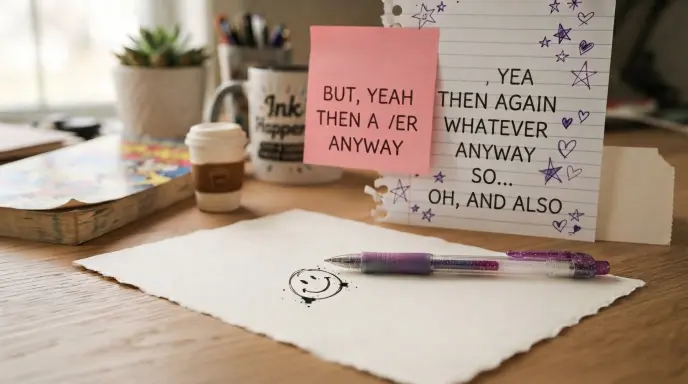
Chatterbox
Meaning: Someone who talks a lot.
Example: My little brother is a chatterbox.
When Natural: Family and friends.
When to Avoid: Professional settings.
Tone: Playful.
Gabby
Meaning: Very talkative.
Example: She’s quite gabby at parties.
Tone: Casual.
Motor-Mouth
Meaning: Someone who talks continuously.
Example: He’s a real motor-mouth when excited.
Tone: Humorous.
Blabby
Meaning: Talking too much, often unnecessarily.
Example: Don’t be so blabby about surprises.
Tone: Slightly negative.
Yappy
Meaning: Talking constantly.
Example: The kids became yappy during the trip.
Tone: Informal.
Talky
Meaning: Inclined to talk more than usual.
Example: She gets talky after coffee.
Tone: Casual.
Chatty Cathy
Meaning: Very talkative person.
Example: Everyone calls him the office Chatty Cathy.
Tone: Playful.
True Synonyms vs Contextual Alternatives
| Type | What It Means | Can It Replace “Talkative”? |
|---|---|---|
| True synonym | Very similar meaning | Usually yes |
| Near synonym | Similar but slightly different | Often |
| Contextual alternative | Fits certain situations only | Sometimes |
| Broader expression | Covers social behavior generally | Not always |
| Narrower expression | Refers to a specific aspect of talking | Limited cases |
For example, chatty is a near synonym, while sociable describes a broader social trait and may not always replace talkative.
Business Writing
Professional alternatives include:
- Communicative
- Articulate
- Expressive
- Responsive
Example: The project manager is highly communicative and keeps stakeholders informed.
Corporate Communication
For evaluations and reports, use:
- Communicative
- Vocal
- Articulate
- Engaging
Avoid informal words such as gabby or motor-mouth.
Academic Writing
Academic writing often uses:
- Verbal
- Communicative
- Expressive
- Discursive
Example: The study examined communicative behaviors among participants.
Customer Service
Helpful alternatives include:
- Friendly
- Personable
- Engaging
- Communicative
Example: The representative was personable and easy to speak with.
Email Communication
Professional email alternatives:
- Communicative
- Responsive
- Open
- Articulate
Example: Thank you for being communicative throughout the project.
Email Examples
Subject: Project Collaboration
Hi Sarah,
Thank you for being so communicative during this project. Your regular updates helped the team stay aligned and avoid delays.
Best,
Michael
Subject: Team Feedback
Hello James,
Your articulate contributions during meetings have helped clarify several complex issues.
Regards,
Anna
Subject: Client Appreciation
Dear Lisa,
We appreciate how responsive and open you’ve been throughout the process.
Thank you,
David
Subject: Class Participation
Professor,
I enjoyed working with Emma this semester. She was expressive during discussions and contributed thoughtful ideas.
Best,
Student
Subject: Customer Feedback
Hello Support Team,
Your representative was personable and engaging. The conversation felt helpful and friendly.
Thank you,
Karen
Short Dialogue Examples
A Person: What’s your new coworker like?
B Person : She’s very communicative and easy to work with.
A Person: Why does everyone know him?
B Person: He’s incredibly chatty and meets everyone.
A Person: How was the meeting?
B Person: The manager was articulate and clear.
A Person: Does your brother talk much?
B Person: He’s a total chatterbox.
A Person: What did you think of the speaker?
B Person: Very engaging and expressive.
How to Replace “Talkative” in a Sentence
Original:
She is very talkative.
Alternative:
She is very chatty.
Why it works:
Maintains a friendly tone.
Original:
He is talkative during meetings.
Alternative:
He is communicative during meetings.
Why it works:
Sounds professional.
Original:
The student is talkative.
Alternative:
The student is expressive.
Why it works:
Focuses on communication quality.
Original:
My friend is talkative.
Alternative:
My friend is sociable.
Why it works:
Highlights social behavior.
Original:
She became talkative after lunch.
Alternative:
She became chatty after lunch.
Why it works:
Natural casual replacement.
Original:
The candidate was talkative.
Alternative:
The candidate was articulate.
Why it works:
Creates a positive professional impression.
Original:
He is extremely talkative.
Alternative:
He is quite loquacious.
Why it works:
Formal equivalent.
Original:
The host was talkative.
Alternative:
The host was engaging.
Why it works:
Emphasizes audience interaction.
Comparison Table
| Phrase | Tone | Meaning / Scope | Best Use | Example |
|---|---|---|---|---|
| Chatty | Casual | Friendly conversation | Everyday speech | Chatty coworker |
| Communicative | Professional | Shares information well | Business | Communicative manager |
| Loquacious | Formal | Talks a lot | Writing | Loquacious speaker |
| Sociable | Neutral | Enjoys people | Personality | Sociable student |
| Articulate | Professional | Speaks clearly | Interviews | Articulate candidate |
| Chatterbox | Informal | Talks constantly | Friends | Young chatterbox |
Which Alternative Should You Choose?
- Formal Writing: Loquacious, articulate, communicative
- Business Communication: Communicative, responsive
- Academic Writing: Verbal, expressive, discursive
- Legal Writing: Communicative or verbal
- Professional Email: Communicative, articulate
- Everyday Conversation: Chatty, sociable
- Casual Messages: Chatterbox, gabby
Grammar & Usage Guide
- Talkative is an adjective.
- Correct: She is talkative.
- Incorrect: She talks talkative.
- Common combinations:
- Talkative child
- Talkative coworker
- Talkative personality
- Extremely talkative
- Naturally talkative
- Do not capitalize talkative unless it starts a sentence.
- Use commas normally in descriptive phrases:
- She is friendly, talkative, and outgoing.
Common Mistakes to Avoid
- Treating articulate as identical to talkative.
- Using chatterbox in professional writing.
- Confusing sociable with talkative.
- Assuming loquacious always has a positive meaning.
- Using negative alternatives unintentionally.
- Ignoring audience expectations.
- Overusing the same synonym repeatedly.
- Choosing casual language for formal documents.
When Not to Use the Original Phrase
Avoid talkative when:
- A more precise alternative exists.
- Professional language is required.
- The word sounds repetitive.
- You want to emphasize communication quality rather than quantity.
- You need a more positive or neutral tone.
Use talkative when:
- Describing someone who genuinely talks a lot.
- Writing in a neutral context.
- Simplicity is preferred.
Advanced Writer Tips
Tone Control
Use communicative for professional settings, chatty for friendly contexts, and loquacious for formal writing.
Professional Email Etiquette
Prefer positive alternatives such as communicative rather than words that imply excessive talking.
Politeness
Words like engaging and personable often sound more complimentary.
Context Alignment
Match your vocabulary to the audience and purpose.
Precision
Ask whether you mean frequent talking, clear speaking, or social interaction.
Readability
Simple words such as chatty and communicative are often easier for readers than rare alternatives.
Related Questions
What is another way to say talkative?
Common alternatives include chatty, communicative, sociable, loquacious, and expressive.
What is a professional alternative to talkative?
Communicative is usually the best professional substitute.
Is talkative positive or negative?
It can be either. Context determines whether it sounds complimentary or critical.
What is the difference between talkative and chatty?
Chatty usually sounds friendlier and more positive, while talkative can be neutral.
FAQs:
Is communicative a synonym for talkative?
Yes, but it focuses on effective communication rather than simply talking a lot.
What is the most formal synonym for talkative?
Loquacious is one of the most formal alternatives.
Is chatterbox offensive?
Usually not, but it can sound mildly critical depending on tone.
Which synonym sounds positive?
Communicative, engaging, personable, and articulate are generally positive.
Can sociable replace talkative?
Sometimes, but sociable refers more to enjoying social interaction.
What word means talkative in a professional way?
Communicative is often the best professional choice.
What is the opposite of talkative?
Common opposites include quiet, reserved, silent, and reticent.
Conclusion:
The word talkative is useful, but it is not always the most precise choice. Depending on your audience and purpose, alternatives such as chatty, communicative, articulate, sociable, expressive, and loquacious may fit better.
Some options highlight friendliness, while others emphasize communication skills or a tendency to speak at length.
The key is understanding the subtle differences between these words. A professional evaluation may benefit from communicative, while a casual conversation might sound more natural with chatty.
Formal writing may call for loquacious or voluble, whereas customer-facing communication often works best with personable or engaging.
Choosing the right synonym improves clarity, tone, and accuracy. Rather than relying on one word repeatedly, select the alternative that best matches the situation and the impression you want to create.

Emma is a passionate writer who enjoys creating fun, engaging, and reader-friendly content. She has a talent for turning simple ideas into entertaining articles that inform and inspire. With a love for wordplay, humor, and creative storytelling, Emma helps readers discover fresh perspectives and enjoy content that is both useful and enjoyable. When she’s not writing, she enjoys exploring new trends, reading, and finding inspiration in everyday life.