
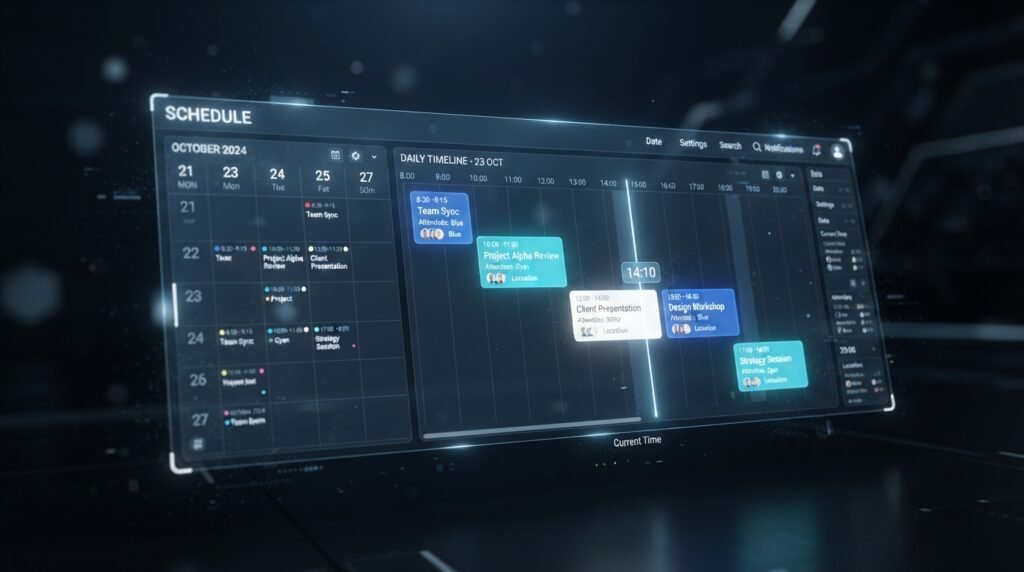

The word agenda is commonly used to describe a list of topics, plans, goals, priorities, or items to be discussed during a meeting or event. It can also refer to a broader purpose, objective, strategy, or course of action. Because the term appears frequently in business communication, academic writing, government discussions, and everyday conversations, many people search for alternatives that better match a specific context.
Choosing the right synonym for agenda can improve clarity and make your writing more precise. Some alternatives focus on meeting topics, while others emphasize plans, priorities, objectives, or hidden motives. Understanding these differences helps you communicate more effectively and avoid using the same word repeatedly.
Quick Answer
Common synonyms for agenda include schedule, itinerary, plan, program, outline, timetable, checklist, priorities, objectives, strategy, roadmap, mission, framework, proposal, and action plan. The best alternative depends on whether you’re discussing a meeting schedule, organizational goals, strategic priorities, or a planned course of action.
Quick List: 35+ Synonyms for Agenda
Meeting-Related Alternatives
- Schedule
- Program
- Itinerary
- Order of business
- Outline
- Timetable
- Calendar
- Proceedings
- Meeting plan
- Discussion list
Strategic Alternatives
- Plan
- Strategy
- Roadmap
- Framework
- Blueprint
- Action plan
- Objective
- Mission
- Vision
- Initiative
Priority-Focused Alternatives
- Priorities
- Goals
- Targets
- Focus areas
- Key objectives
- Purpose
- Direction
- Intentions
Formal Alternatives
- Program
- Framework
- Proposal
- Strategic plan
- Policy agenda
- Operational plan
- Development plan
Casual Alternatives
- To-do list
- Game plan
- Checklist
- Next steps
- Plan of action
Formal Alternatives
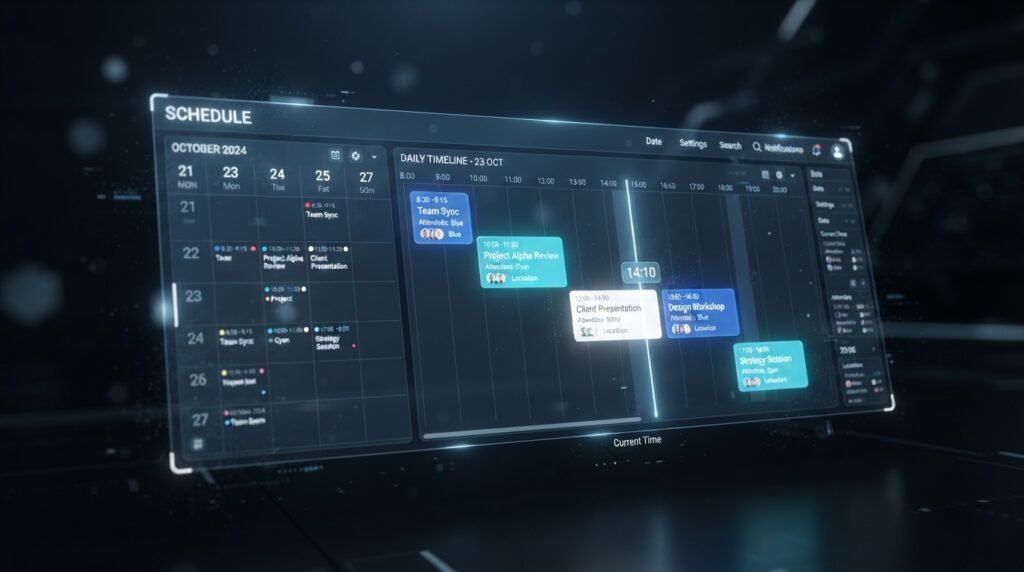
Schedule
Meaning: A planned list of activities or events.
Explanation: Often replaces agenda when discussing meetings or events.
Example: The conference schedule was shared in advance.
Best Use: Meetings, conferences, workshops.
Worst Use: Long-term strategic planning.
Tone: Professional.
Program
Meaning: A planned series of activities or objectives.
Explanation: Common in organizations, conferences, and government initiatives.
Example: The training program focuses on leadership skills.
Best Use: Formal organizational settings.
Worst Use: Small personal meetings.
Tone: Formal.
Framework
Meaning: A structured system used to guide decisions or actions.
Example: The company adopted a new framework for project management.
Best Use: Business and academic writing.
Worst Use: Informal conversations.
Tone: Professional.
Roadmap
Meaning: A detailed plan showing future goals and actions.
Example: The roadmap outlines the company’s growth strategy.
Best Use: Business and technology industries.
Worst Use: Simple meeting discussions.
Tone: Professional.
Blueprint
Meaning: A detailed plan for achieving a goal.
Example: The proposal serves as a blueprint for future development.
Best Use: Strategic planning.
Worst Use: Routine meeting schedules.
Tone: Formal.
Strategic Plan
Meaning: A long-term plan designed to achieve organizational goals.
Example: Leadership approved a new strategic plan.
Best Use: Corporate and government communication.
Worst Use: Everyday conversations.
Tone: Formal.
Proposal
Meaning: A suggested plan or course of action.
Example: The committee reviewed the proposal before voting.
Best Use: Business and academic settings.
Worst Use: Daily task management.
Tone: Professional.
Operational Plan
Meaning: A detailed plan for day-to-day activities.
Example: The operational plan outlines monthly objectives.
Best Use: Business management.
Worst Use: Informal settings.
Tone: Formal.
Development Plan
Meaning: A structured plan for growth or improvement.
Example: The city introduced a new development plan.
Best Use: Government and business contexts.
Worst Use: Casual discussions.
Tone: Professional.
Policy Agenda
Meaning: A set of policy goals and priorities.
Example: The administration announced its policy agenda.
Best Use: Government and public policy discussions.
Worst Use: Private meetings.
Tone: Formal.
Semi-Formal and Neutral Alternatives
Plan
Meaning: A proposed course of action.
Example: The team created a plan for the project launch.
Best Use: Professional and everyday communication.
Tone: Neutral.
Outline
Meaning: A summary of key points.
Example: The meeting outline was distributed beforehand.
Best Use: Meetings and presentations.
Tone: Neutral.
Priorities
Meaning: The most important goals or tasks.
Example: Customer satisfaction remains one of our top priorities.
Best Use: Business communication.
Tone: Professional.
Objectives
Meaning: Specific goals to achieve.
Example: The objectives were clearly defined.
Best Use: Academic and workplace settings.
Tone: Professional.
Strategy
Meaning: A plan designed to achieve a specific result.
Example: The marketing strategy increased brand awareness.
Best Use: Business planning.
Tone: Professional.
Direction
Meaning: The course an organization or project intends to follow.
Example: The company announced its future direction.
Best Use: Leadership communication.
Tone: Neutral.
Mission
Meaning: An organization’s core purpose.
Example: The mission focuses on improving education.
Best Use: Corporate and nonprofit communication.
Tone: Professional.
Goals
Meaning: Desired outcomes.
Example: Our goals include improving customer retention.
Best Use: General communication.
Tone: Neutral.
Initiative
Meaning: A specific project or effort.
Example: The sustainability initiative reduced waste.
Best Use: Business and government contexts.
Tone: Professional.
Purpose
Meaning: The reason behind an action or plan.
Example: The purpose of the meeting was to review progress.
Best Use: Professional communication.
Tone: Neutral.
Informal and Casual Alternatives
To-Do List
Meaning: A list of tasks that need to be completed.
Example: I added it to my to-do list.
When to Use: Personal productivity.
Tone: Casual.
Game Plan
Meaning: An informal strategy.
Example: What’s our game plan for the presentation?
When to Use: Friendly workplace discussions.
Tone: Casual.
Checklist
Meaning: A list used to track tasks.
Example: We created a checklist before launch.
When to Use: Everyday planning.
Tone: Informal.
Next Steps
Meaning: Future actions that need to happen.
Example: Let’s review the next steps before we leave.
When to Use: Meetings and projects.
Tone: Friendly.
Plan of Action
Meaning: A practical list of actions.
Example: The manager shared a plan of action.
When to Use: Professional and casual settings.
Tone: Neutral.
True Synonyms vs. Contextual Alternatives
| Type | What It Means | Can It Replace “Agenda”? |
|---|---|---|
| True synonym | Nearly identical meaning | Usually |
| Near synonym | Similar meaning with small differences | Often |
| Contextual alternative | Works only in specific situations | Sometimes |
| Broader expression | Covers a wider concept | Depends |
| Narrower expression | More specific than agenda | Depends |
| Example | Category |
|---|---|
| Schedule | True synonym |
| Plan | Near synonym |
| Strategy | Contextual alternative |
| Priorities | Contextual alternative |
| Roadmap | Broader expression |
| Checklist | Narrower expression |
Industry-Specific Usage
Business Writing
Useful alternatives include:
- Strategy
- Roadmap
- Objectives
- Action plan
- Priorities
Example: The roadmap highlights key milestones for the upcoming quarter.
Corporate Communication
Useful alternatives:
- Strategic plan
- Initiative
- Priorities
- Framework
Example: Leadership shared the company’s strategic priorities.
Academic Writing
Preferred alternatives:
- Outline
- Framework
- Objectives
- Program
Example: The course outline explains the topics covered during the semester.
Customer Service
Useful alternatives:
- Plan
- Priorities
- Action plan
Example: Our action plan focuses on improving response times.
Legal Writing
Common alternatives:
- Policy agenda
- Framework
- Proposal
Example: The committee reviewed the proposed policy framework.
Email Communication
Professional alternatives:
- Schedule
- Outline
- Objectives
- Discussion points
Example: Attached is the meeting outline for tomorrow.
How to Replace “Agenda” in a Sentence
Original: The agenda includes five discussion topics.
Alternative: The schedule includes five discussion topics.
Why it works: Focuses on the meeting structure.
Original: The company’s agenda focuses on growth.
Alternative: The company’s strategy focuses on growth.
Why it works: Emphasizes long-term planning.
Original: Let’s review today’s agenda.
Alternative: Let’s review today’s outline.
Why it works: Suitable for meetings.
Original: The administration announced its agenda.
Alternative: The administration announced its priorities.
Why it works: Highlights key goals.
Original: We need a clear agenda.
Alternative: We need a clear plan of action.
Why it works: Focuses on implementation.
Comparison Table
| Phrase | Tone | Meaning / Scope | Best Use | Example |
|---|---|---|---|---|
| Schedule | Professional | Meeting topics and timing | Meetings | Meeting schedule |
| Plan | Neutral | General course of action | Everyday use | Project plan |
| Strategy | Professional | Long-term goals | Business | Growth strategy |
| Roadmap | Professional | Future direction | Technology | Product roadmap |
| Priorities | Neutral | Important goals | Leadership | Team priorities |
| Checklist | Casual | Task tracking | Personal planning | Launch checklist |
Which Alternative Should You Choose?
- Formal writing: Framework, strategic plan, proposal
- Business communication: Roadmap, priorities, strategy
- Academic writing: Outline, objectives, framework
- Government communication: Policy agenda, initiative, priorities
- Professional email: Schedule, outline, discussion points
- Everyday conversation: Plan, checklist, next steps
- Casual communication: Game plan, to-do list
Common Mistakes to Avoid
- Treating strategy and agenda as identical.
- Using roadmap for simple meetings.
- Replacing agenda with checklist in formal reports.
- Ignoring the audience and tone.
- Choosing overly formal language unnecessarily.
- Using priorities when discussing meeting topics.
- Confusing objectives with action items.
- Repeating agenda too frequently.
FAQs
What is another word for agenda?
Common alternatives include schedule, plan, roadmap, outline, priorities, strategy, and program.
What is a professional synonym for agenda?
Roadmap, framework, strategic plan, and objectives are strong professional alternatives.
Is agenda always related to meetings?
No. Agenda can also refer to goals, priorities, policies, or long-term plans.
What is the difference between an agenda and a schedule?
An agenda lists topics or objectives, while a schedule focuses on timing and events.
Can roadmap replace agenda?
Yes, when discussing long-term plans or strategic direction.
What is a casual alternative to agenda?
Game plan, checklist, and to-do list are common casual alternatives.
Is strategy a synonym for agenda?
Sometimes. However, strategy focuses on achieving goals, while agenda often refers to discussion topics or priorities.
Conclusion
The word agenda is useful because it can describe meeting topics, priorities, goals, and strategic plans. However, alternatives such as schedule, outline, roadmap, strategy, framework, priorities, and action plan often provide greater precision.
Choosing the right synonym depends on your audience and the specific meaning you want to communicate. By selecting the most accurate alternative, you can make your writing clearer, more professional, and more engaging.

Emma is a passionate writer who enjoys creating fun, engaging, and reader-friendly content. She has a talent for turning simple ideas into entertaining articles that inform and inspire. With a love for wordplay, humor, and creative storytelling, Emma helps readers discover fresh perspectives and enjoy content that is both useful and enjoyable. When she’s not writing, she enjoys exploring new trends, reading, and finding inspiration in everyday life.